
Tretinoin Australia: What Tretinoin Cream Treats | Acne, Ageing & Pigmentation
In this article
- What Is Tretinoin?
- Tretinoin in Australia: Prescription Rules
- How Tretinoin Works
- What Tretinoin Treats
- Tretinoin vs Other Retinoids
- Who May Benefit From Tretinoin?
- Who Should Avoid or Delay Tretinoin?
- How to Use Tretinoin Cream
- How Long Does Tretinoin Take to Work?
- The “Purging” Phase
- Common Side Effects
- How to Reduce Irritation
- Tretinoin and Sunscreen in Australia
- Can Tretinoin Be Combined With Other Skincare?
- Tretinoin for Different Skin Concerns
- What Tretinoin Cannot Treat
- How to Choose a Tretinoin Cream in Australia
- Key Takeaways
- Medical Disclaimer
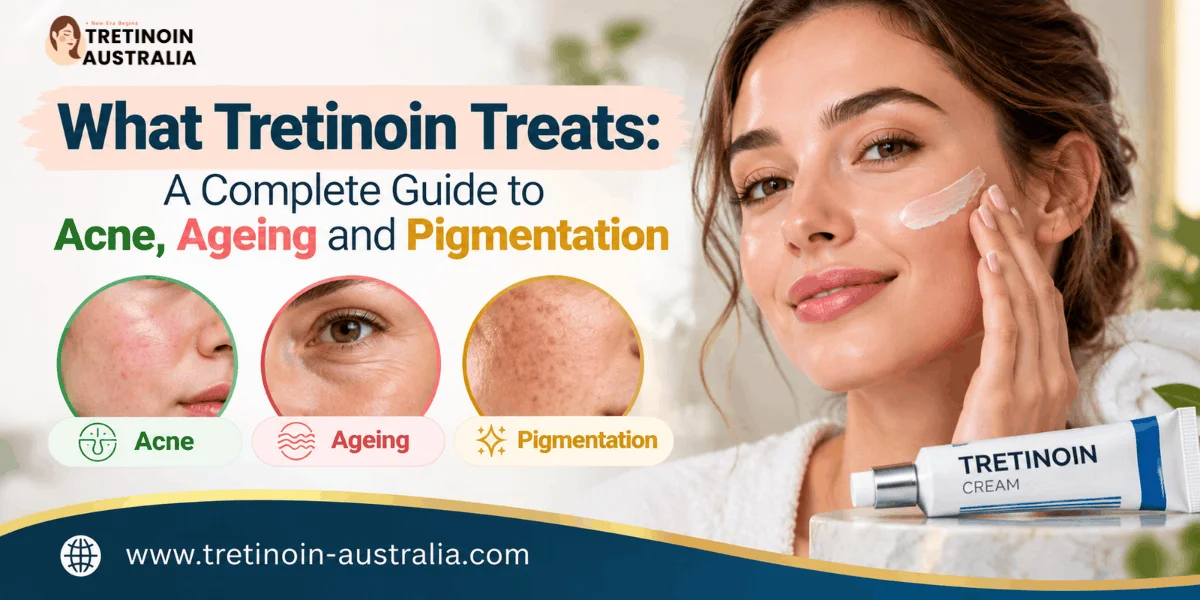
What Tretinoin Treats: A Complete Guide to Acne, Ageing and Pigmentation
Tretinoin is a prescription topical retinoid used in Australia to treat acne and, under medical supervision, the visible effects of sun-damaged and photoaged skin. It can also help improve certain types of post-acne pigmentation, although results depend on consistent use, sun protection and the underlying cause of discolouration.
In Australia, tretinoin cream is a Schedule 4 prescription-only medicine. That means it cannot legally be bought over the counter; a registered Australian prescriber must assess your skin and provide a valid prescription before a pharmacy can dispense it.
This guide explains what tretinoin treats, how it works, who may benefit, how Australian patients typically use it, and what to expect from treatment.
What Is Tretinoin?
Tretinoin is the acid form of vitamin A and belongs to a group of medicines called retinoids. When applied to the skin, it influences how skin cells mature, shed and renew, helping to prevent pores from becoming blocked and supporting gradual improvement in skin texture.
It is different from retinol, retinaldehyde and other cosmetic “retinoid alternatives.” Tretinoin is a medically active retinoid, while many non-prescription products contain weaker vitamin A derivatives that must be converted by the skin before they can have an effect.
In Australia, the TGA-registered product ReTrieve contains tretinoin 0.05% cream and is indicated for acne vulgaris in patients aged 12 years and older, particularly acne with blackheads, whiteheads, papules and pustules. It is also used as an adjunctive treatment for dry, sun-damaged skin and related conditions.
Tretinoin in Australia: Prescription Rules
Tretinoin is classified as a Schedule 4 (S4) Prescription Only Medicine under Australia’s Poisons Standard. This applies to tretinoin cream and other topical tretinoin formulations.
For Australian readers, the practical points are:
- You need a consultation with a qualified Australian prescriber, such as a GP, dermatologist or authorised nurse practitioner, depending on their scope of practice.
- A pharmacy can only supply tretinoin after receiving a valid prescription.
- Online sellers offering tretinoin without a prescription may be operating outside Australian requirements.
- Do not use someone else’s tretinoin cream or import it without medical guidance.
- Your prescriber will choose the concentration, formulation and treatment plan based on your skin type, acne severity, pigmentation history and sensitivity.
Tretinoin should not be confused with oral isotretinoin, another vitamin A-derived acne medicine. Oral isotretinoin is reserved for more severe or treatment-resistant acne and has stricter prescribing requirements in Australia, including specialist involvement for initiation.
How Tretinoin Works
Tretinoin works mainly by normalising the way skin cells behave inside hair follicles.
In acne-prone skin, dead skin cells can stick together and accumulate inside pores. This creates microcomedones, the earliest blocked pores that later develop into blackheads, whiteheads or inflamed pimples. Tretinoin helps reduce this abnormal cell build-up, making it easier for pores to stay clear.
It also has anti-inflammatory effects and can gradually improve rough texture, post-acne marks and early scarring changes over time. Because it targets several contributors to acne rather than only treating visible pimples, dermatology guidance describes topical retinoids as core therapy for many people with acne, including maintenance treatment.
For ageing and sun damage, tretinoin encourages a more organised renewal process in the outer layers of skin. With regular use and sun protection, it may improve fine wrinkling, roughness, dullness and some sun-induced pigmentation. It cannot fully reverse deep structural changes such as pronounced sagging or deep static wrinkles.
What Tretinoin Treats
1. Acne and Blocked Pores
Tretinoin is best known as an acne treatment. It is particularly useful for acne where comedones—blackheads and whiteheads—are a major feature, as well as mild to moderate inflammatory acne with papules and pustules.
It may help with:
- Blackheads and whiteheads
- Small red pimples
- Pustules
- Recurring congestion along the forehead, nose, chin and jawline
- Acne that keeps returning after individual spots clear
- Post-acne dark marks, when used as part of a broader plan
- Maintenance after initial acne improvement
Tretinoin is generally not considered effective on its own for severe pustular or nodulocystic acne. People with painful cysts, deep nodules, widespread inflammation or scarring acne may need a combination approach, which can include prescription topical treatments, oral antibiotics, hormonal therapy or dermatologist-led care.
2. Photoageing and Sun-Damaged Skin
In Australia, high UV exposure makes photoageing a common concern. Photoageing refers to skin changes caused by cumulative sun exposure rather than age alone.
Tretinoin may be prescribed as part of a clinician-directed plan for visible signs of photoaged skin, including:
- Fine surface lines
- Rough or uneven skin texture
- Dullness
- Mild sun-induced discolouration
- Some solar lentigines, commonly called sun spots or age spots
- Early textural changes associated with chronic UV exposure
It is important to keep expectations realistic. Tretinoin can improve the appearance of surface-level ageing, but it does not replace cosmetic procedures for significant volume loss, deep wrinkles, pronounced laxity or severe structural sun damage.
3. Pigmentation and Dark Marks
Tretinoin can help with some forms of hyperpigmentation, especially post-inflammatory hyperpigmentation (PIH)—the dark or brown marks left after acne, eczema, injury or inflammation. It is commonly prescribed in Australia alongside other treatments for acne-related PIH.
It may help improve:
- Post-acne marks
- Uneven tone
- Sun-related pigmentation
- Some melasma, when prescribed as part of a broader dermatology plan
However, pigmentation is complex. In skin of colour, irritation from retinoids can sometimes worsen redness and trigger more pigmentation if treatment is introduced too aggressively. Australian clinical guidance recommends starting with lower concentrations and applying only a few times per week at first, then increasing gradually as tolerated.
Daily broad-spectrum SPF 50+ sunscreen, protective clothing and avoiding further acne trauma are essential. Without sun protection, pigmentation can return or darken despite tretinoin use.
Tretinoin vs Other Retinoids
|
Treatment |
Prescription status in Australia |
Common use |
Notes |
|
Tretinoin cream |
Schedule 4, prescription only |
Acne, photoaged skin, selected pigmentation concerns |
Well-established topical retinoid; can be irritating initially |
|
Adapalene |
Prescription depending on formulation and strength |
Acne, especially comedonal and inflammatory acne |
Often better tolerated; also helps PIH |
|
Retinol |
Usually cosmetic or pharmacy-strength skincare |
Mild texture and tone concerns |
Weaker than tretinoin and results are usually slower |
|
Tazarotene |
Prescription medicine |
Acne and psoriasis, depending on product |
Can be effective but may be more irritating |
|
Oral isotretinoin |
Specialist-initiated prescription medicine |
Severe, scarring or resistant acne |
Not the same as topical tretinoin; requires careful medical monitoring |
Who May Benefit From Tretinoin?
Tretinoin may be suitable for adults and adolescents from 12 years of age with certain types of acne, depending on the product’s approved use and the prescriber’s assessment.
It may also suit people who want medical support for:
- Persistent blackheads and congestion
- Mild to moderate acne
- Rough, sun-exposed skin
- Fine lines and early photoageing
- Post-acne pigmentation
- Uneven texture and dullness
It is not automatically the right choice for everyone. A prescriber may recommend a different approach if you have very sensitive skin, active eczema, rosacea, a damaged skin barrier, pregnancy planning concerns or a history of poor tolerance to retinoids.
Who Should Avoid or Delay Tretinoin?
Do not start or continue tretinoin without medical advice if you:
- Are pregnant, planning pregnancy or breastfeeding
- Have untreated eczema, severe dryness or a compromised skin barrier
- Have active sunburn, windburn or significant skin irritation
- Are using other strong exfoliating treatments without professional guidance
- Have an allergy to tretinoin or any ingredient in the product
- Have severe cystic or nodulocystic acne that needs specialist assessment
Topical tretinoin is not the same as oral isotretinoin, but pregnancy-related precautions and individual medical advice still matter. Always tell your prescriber about all skincare products, supplements and medicines you use.
How to Use Tretinoin Cream
The right routine depends on your prescription, but Australian product information for ReTrieve advises applying it sparingly to affected areas once daily at bedtime. Visible results may take several weeks, and treatment is often continued for around three months.
A sensible clinician-guided routine usually looks like this:
- Cleanse gently with a mild, non-stripping cleanser.
- Pat the skin completely dry.
- Apply a pea-sized amount of tretinoin cream in a thin layer across the whole affected area, not only on individual spots.
- Avoid the eyelids, corners of the nose, lips and broken skin.
- Follow with a plain moisturiser if needed.
- Use broad-spectrum SPF 50+ sunscreen every morning.
Many people begin with two or three nights per week to reduce irritation, then increase frequency only if their skin tolerates it. Some people may continue using it intermittently if daily application is too irritating.
How Long Does Tretinoin Take to Work?
Tretinoin is a slow, cumulative treatment rather than an overnight spot treatment.
Typical timeframes include:
- 2–4 weeks: Possible dryness, flaking, redness or temporary worsening of congestion.
- 6–8 weeks: Early improvement in blackheads, texture and overall skin smoothness may appear.
- 8–12 weeks: More noticeable improvement in acne and post-acne marks for many people.
- 3–6 months: Gradual improvement in fine lines, roughness and sun-related pigmentation may become clearer.
- Ongoing use: Maintenance is often needed to preserve results, especially for acne and photoageing.
If acne has not improved after approximately eight weeks, speak with your prescriber. They may adjust the routine, add another treatment or consider alternative options.
The “Purging” Phase
Some people experience more small bumps or breakouts during the first few weeks of tretinoin use. This is often called purging, although it is not a formal medical diagnosis.
It may happen because tretinoin speeds up cell turnover, bringing existing microcomedones to the surface more quickly. This process can be frustrating, but it usually settles as the skin adjusts.
Contact your prescriber instead of simply stopping treatment if you develop:
- Intense burning or stinging
- Significant swelling
- Widespread redness
- Cracked or painful skin
- Blistering
- A rash that looks unusual or severe
Common Side Effects
The most common effects are irritation-related, especially during the first few weeks.
These may include:
- Dryness
- Flaking
- Redness
- Warmth or stinging
- Tightness
- Increased sensitivity to sunlight
- Temporary worsening of acne or texture
Using too much cream, applying it to damp skin, combining it with harsh exfoliants or starting too frequently can make irritation worse. A thin layer, gradual introduction and regular moisturiser can help.
How to Reduce Irritation
Australian dermatology guidance recommends introducing topical retinoids gradually and applying a thin film over the entire acne-prone area rather than spot treating.
Helpful strategies include:
- Start with two or three nights per week.
- Use a gentle, soap-free cleanser.
- Wait until skin is fully dry before applying tretinoin.
- Apply only a pea-sized amount for the whole face.
- Moisturise before or after tretinoin, depending on your prescriber’s advice.
- Avoid scrubs, strong acids, benzoyl peroxide washes and other irritating products initially.
- Use SPF 50+ sunscreen daily.
- Pause treatment temporarily if the skin becomes very irritated, then restart more slowly with medical advice.
Tretinoin and Sunscreen in Australia
Sunscreen is not optional when using tretinoin. Treated skin can become more sensitive to UV exposure, and sun exposure can worsen pigmentation and undermine anti-ageing results.
For Australian conditions, choose:
- Broad-spectrum SPF 50+ sunscreen
- A formula suited to your skin type, such as lightweight gel-cream for oily skin or cream for dry skin
- Daily application, even on cloudy days
- Reapplication during prolonged outdoor exposure
- A wide-brimmed hat and shade during high-UV periods
Sun protection is especially important for people treating pigmentation. Clinical guidance for acne-related PIH specifically highlights SPF 50+ sunscreen and protective clothing to reduce further darkening.
Can Tretinoin Be Combined With Other Skincare?
Yes, but combinations should be introduced carefully.
Common supportive ingredients include:
- Ceramides and glycerin: Support the skin barrier and reduce dryness.
- Niacinamide: May help with redness, oil balance and barrier function.
- Azelaic acid: Can support acne and pigmentation treatment, but should be introduced gradually.
- Hyaluronic acid: Provides lightweight hydration.
- SPF 50+ sunscreen: Essential every morning.
Be cautious with:
- Strong AHAs and BHAs
- Physical scrubs
- Benzoyl peroxide in the same routine
- Vitamin C on sensitive skin
- Multiple retinoid products
- Harsh foaming cleansers
Your prescriber may combine tretinoin with benzoyl peroxide, topical antibiotics, azelaic acid or other prescription treatments, depending on your acne pattern and pigmentation concerns.
Tretinoin for Different Skin Concerns
Oily or Acne-Prone Skin
Tretinoin can be particularly useful when congestion, blackheads and recurring pimples are the main issue. It works below the surface by reducing microcomedone formation, which is why it is often used even when the skin looks relatively clear between breakouts.
Dry or Mature Skin
Tretinoin can improve roughness and fine lines, but dry skin needs extra barrier support. A gentle cleanser, moisturiser and slow introduction are especially important.
Skin of Colour
People with deeper skin tones can use tretinoin, but irritation needs careful management because inflammation can contribute to PIH. Low-strength starting routines, gradual frequency increases and consistent sun protection are particularly important.
Sensitive Skin
Sensitive skin may tolerate tretinoin poorly at first. A prescriber may recommend a lower frequency, supportive moisturiser or an alternative retinoid such as adapalene, which is often better tolerated for long-term acne control.
What Tretinoin Cannot Treat
Tretinoin is effective, but it is not a universal skin solution.
It generally cannot:
- Cure severe nodulocystic acne on its own
- Remove deep scars
- Replace dermal fillers for volume loss
- Correct significant skin sagging
- Remove all melasma permanently
- Replace sun protection
- Deliver overnight results
For severe acne, scarring or persistent pigmentation, a dermatologist can assess whether combination treatment, procedural options or specialist-led therapy is appropriate.
How to Choose a Tretinoin Cream in Australia
Do not choose a tretinoin cream based only on strength. The best option depends on your skin concern, tolerance and treatment history.
A prescriber may consider:
- Whether your main issue is acne, photoageing or pigmentation
- Whether you have used retinoids before
- Your skin barrier condition
- Whether you have darker skin tones or a history of PIH
- Whether you need combination therapy
- Whether a cream, gel or compounded formulation suits you best
In Australia, ReTrieve 0.05% cream is a registered tretinoin product used for acne and as adjunctive treatment for dry, photoaged skin. Other formulations may be compounded under a valid prescription when clinically appropriate.
Key Takeaways
- Tretinoin is a prescription topical retinoid used in Australia for acne and selected photoageing concerns.
- It works by reducing blocked pores, supporting cell renewal and improving texture over time.
- It may help with blackheads, pimples, fine lines, roughness and post-acne pigmentation.
- In Australia, tretinoin cream is Schedule 4 and requires a valid prescription.
- Slow introduction, moisturiser and daily SPF 50+ sunscreen are essential for comfortable, effective treatment.
- Severe acne, scarring or stubborn pigmentation may need a dermatologist-led combination plan.
Medical Disclaimer
This article is general information for Australian readers and does not replace personalised medical advice. Tretinoin is a prescription medicine, so speak with a registered Australian healthcare professional before starting, stopping or changing treatment—especially if you are pregnant, breastfeeding, have sensitive skin or are using other acne or anti-ageing treatments.
Frequently Asked Questions
No. Tretinoin is a Schedule 4 prescription-only medicine in Australia, so it requires a valid prescription before a pharmacy can supply it.
Tretinoin cream is used to treat acne vulgaris and may be prescribed as adjunctive treatment for dry, sun-damaged or photoaged skin. It may also form part of a plan for some pigmentation concerns.
Acne improvement often takes around 8–12 weeks, while photoageing and pigmentation changes may take three months or longer. ReTrieve product information notes that effects may not be seen for several weeks and treatment is commonly continued for three months.
It can fade some post-inflammatory hyperpigmentation and sun-related pigmentation gradually, but it is not a guaranteed spot remover. Sunscreen and a broader pigmentation plan are usually needed.
Some people can, but many need to start two or three nights per week. Frequency should be increased only as tolerated, ideally with guidance from your prescriber.
Yes. Tretinoin is a direct, medically active retinoid, whereas retinol is generally weaker and must be converted in the skin. This is one reason tretinoin is prescription-only in Australia.
It may improve fine lines, roughness and some visible signs of photoageing over time, but it cannot fully reverse deep wrinkles or loss of facial volume.
TGA-registered ReTrieve is indicated for acne vulgaris in patients aged 12 years and older, but use should always follow a prescriber’s advice.
Mild flaking can be common early on, but significant peeling, burning or discomfort means you should reduce use and contact your prescriber. Do not keep applying strong amounts to irritated skin.
No. Tretinoin is usually a topical cream or gel, while isotretinoin is an oral medicine used for severe or resistant acne and requires specialist-led prescribing in Australia.

Keep reading
Tretinoin 0.025% Cream Australia: Benefits & Beginner Guide
Thinking about tretinoin 0.025% cream in Australia? Learn how it works, how to get a script, its benefits for acne and ageing, and a safe beginner routine.
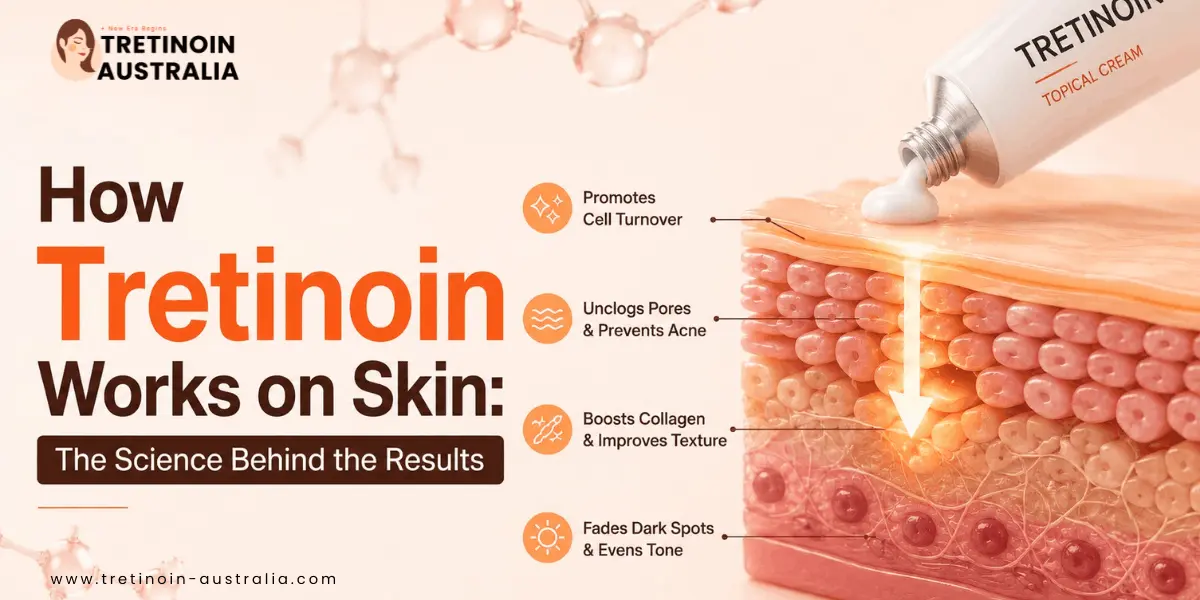
How Tretinoin cream Works on Skin: The Science Behind the Results
Tretinoin works by binding skin-cell receptors that speed up cell turnover and boost collagen. Here's the science behind how it treats acne, ageing and pigmentation.
Adapalene vs Tretinoin: Which Retinoid Works Better for Acne and Anti-Ageing in Australia?
Adapalene vs tretinoin for acne and anti-ageing in Australia — key differences, side effects, and where to buy tretinoin online with a prescription.
Comments
No comments yet. Be the first to share your experience.
Please log in to leave a comment.